
Current Concepts in accelerated Implant treatment, Bone Grafting & Soft Tissue management
Advanced Surgical procedures with Autogenous Bone
October 17th, 2026
Sheraton Hotel Brussels Airport
SPEAKER
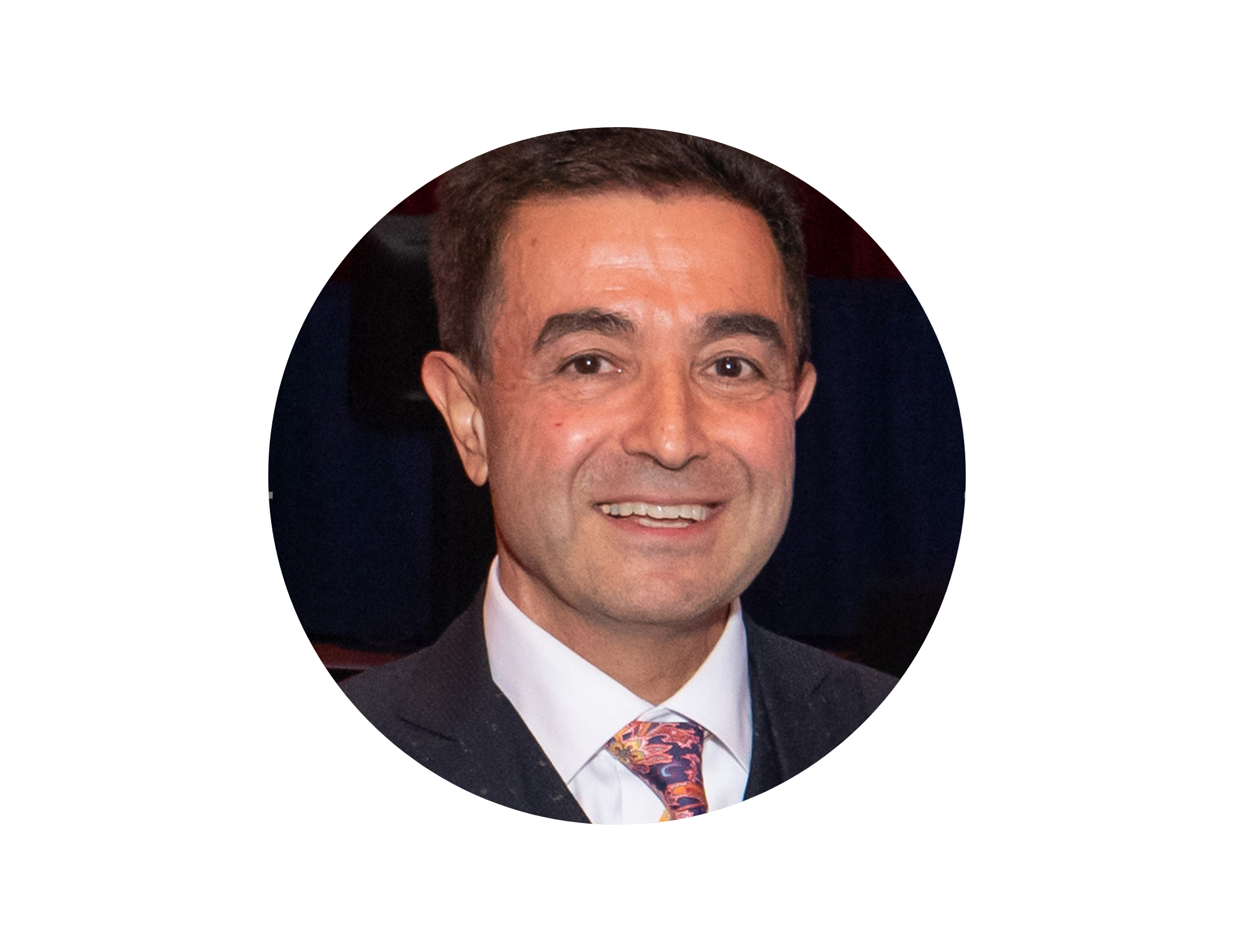
Prof. Dr. Prof. Dr. med. dent. Fouad Khoury
Münster/ Olsberg, Germany
Prof. Dr. med. dent. Fouad Khoury is a Lebanese-born oral and maxillofacial surgeon who obtained his DMD from Saint Joseph University in Beirut in 1978 and completed his specialization in Oral Surgery at the Universities of Freiburg and Münster, Germany. He achieved his Habilitation in 1988 and became Full Professor at the University of Münster in 1994.
He is Chairman and Director of the Privatklinik Schloss Schellenstein in Olsberg and continues to serve as Professor at the University of Münster. A former President of the Oral and Jaw Surgery Society (AGOKI) of the German Dental Association, he has received several international awards and holds multiple patents in implantology and oral surgery.
program
Saturday October 17th, 2026 Schedule
08h00 – 09h00
Registration
09h00 – 09h15
Welcome & Introduction
09h15 – 10h15
Principles of grafting procedures and bone biology.
Pathophysiology of bone transplantation
10h15 – 11h00
Treatment options with autogenous bone:
reconstruction procedures from minor to large 3D defect.
11h00 – 11h30
Break
11h30 – 12h15
Biological concept of Bone Grafting in severe bone loss:
Khoury´s Splitt Bone Block (SBB) technique
12h15 – 13h00
Minimal invasive bone augmentation:
bone core technique (Carota technique) Bony- lid approach, Bone spreading/ splitting.
13h00 – 14h00
Lunch
14h00 – 14h45
Safe bone harvesting from all possible intraoral sites: Instruments,
method and treatment of the donor site.
14h45 – 15h30
Principles of Aesthetic and soft tissue management in Implantology:
– various types of incision, blood support, Incisions in combination with different
– grafting techniques and second stage surgery, tunnel Technique, lateral approch
– pedicle palatal flap, roll flap, apical reposition flap,…
15h30 – 16h00
Break
16h00 – 17h00
Possible complications: Prevention & treatment.
17h00 – 17h30
Final discussion
PRICING
Congress
Regular
€450
Lunch & coffee breaks included
Congress
Students
€120
Lunch & coffee breaks included
ACCREDITATION
Dentistry
40AE in total is confirmed
26010372
Domain 6
Medicine
6 CP in total is confirmed
26010318
VENUE
Entrance to the hotel parking garage via Parking 2, 5th floor, follow the Sheraton signs. Maximum height: 1,9m.